





10 Lifestyle Habits That Enhance Your Learning Experience

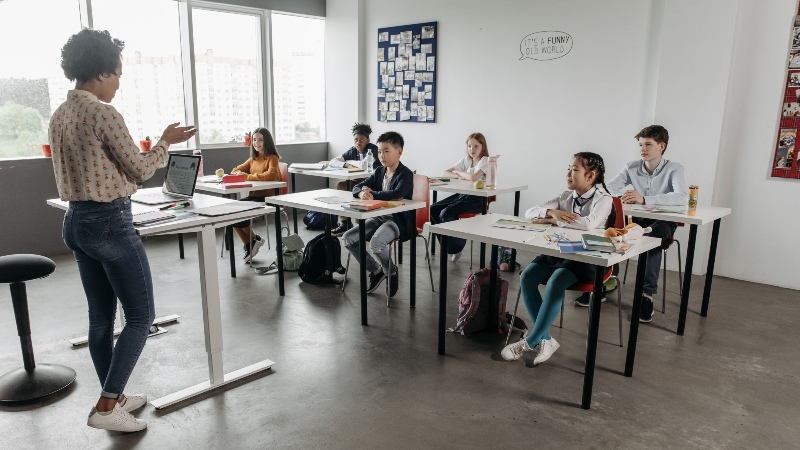


Learning doesn’t only happen inside a classroom. While lessons, teachers, and study materials all play an important role, everyday habits also have a major impact on how well we absorb information, stay focused, and develop new skills.
The way we sleep, eat, organise our time, and approach challenges can influence our ability to learn effectively. Building positive lifestyle habits can make studying more enjoyable and help students reach their full potential.
1. Maintain a Consistent Sleep Schedule
Sleep plays a vital role in learning. A tired mind struggles to concentrate, remember information, and solve problems effectively. Getting enough quality sleep helps the brain process new knowledge and prepare for the next day. Instead of staying up late before an important test, developing a regular sleep routine can improve focus and memory over time. A well-rested student is often a more productive learner.
2. Create a Dedicated Study Space
Your environment can influence your ability to focus. A quiet, organised study area reduces distractions and helps create a positive learning routine. This space doesn’t need to be large, but it should be comfortable and free from unnecessary interruptions. A consistent study location can signal to your brain that it’s time to concentrate. Small changes to your environment can make a big difference.
3. Practice Effective Time Management
Managing time well helps reduce stress and improves productivity. Breaking large tasks into smaller steps makes assignments feel more manageable. Creating a study schedule, setting priorities, and avoiding last-minute preparation can help students stay organised. Good time management isn’t about studying constantly. It’s about using your time wisely.
4. Stay Physically Active
Exercise benefits both the body and the mind. Regular physical activity can improve concentration, boost energy levels, and support overall wellbeing. Even simple activities like walking, cycling, or stretching can help refresh the mind after long study sessions. A healthy body supports a healthy learning process.
5. Read Regularly
Reading outside of required schoolwork can strengthen vocabulary, creativity, and critical thinking skills. Books, articles, and educational resources expose students to new ideas and different perspectives. The more you read, the easier it becomes to understand complex topics and communicate effectively. Reading is a habit that benefits learners at every stage.
6. Stay Curious
Curiosity is one of the strongest drivers of learning. Instead of only memorising information, ask questions and explore topics that interest you. Students who develop curiosity often become more engaged because they understand the reasons behind what they are learning. A curious mindset turns learning into discovery.
7. Eat for Better Focus
Nutrition can affect concentration and energy levels. Balanced meals provide the fuel needed for studying, problem-solving, and staying alert throughout the day. Drinking enough water and choosing nutritious foods can support better focus compared to relying heavily on sugary snacks or skipping meals. Small choices can influence daily performance.
8. Limit Digital Distractions
Technology provides many useful learning tools, but it can also create distractions. Constant notifications, social media, and entertainment apps can make it harder to focus on important tasks. Creating boundaries around screen time helps students use technology more effectively while maintaining concentration. The goal isn’t avoiding technology. It’s using it wisely.
9. Learn Through Different Methods
Everyone learns differently. Some students remember information better through visual materials, while others prefer discussions, practical activities, or written notes. Trying different learning techniques can help students discover what works best for them. Many educational environments encourage varied approaches to learning, helping students develop confidence and independence. A supportive school in Edgbaston provides opportunities for students to explore different learning methods while building academic and personal skills.
10. Reflect and Improve
Learning is an ongoing process. Take time to review what works, identify areas for improvement, and adjust your approach when needed. Reflecting on progress helps students become more independent and better prepared for future challenges. Growth comes from understanding both successes and mistakes.
Final Thoughts
A successful learning experience is built through more than just studying harder. Healthy routines, good organisation, curiosity, and a positive mindset all contribute to better learning outcomes. By developing these lifestyle habits, students can improve focus, build confidence, and make learning a more rewarding experience. The best learners aren’t always the ones who spend the most hours studying; they’re often the ones who create habits that help them learn better every day.