




A Lighter Side of Coy: A First Taste of Taste of Summer on the Water

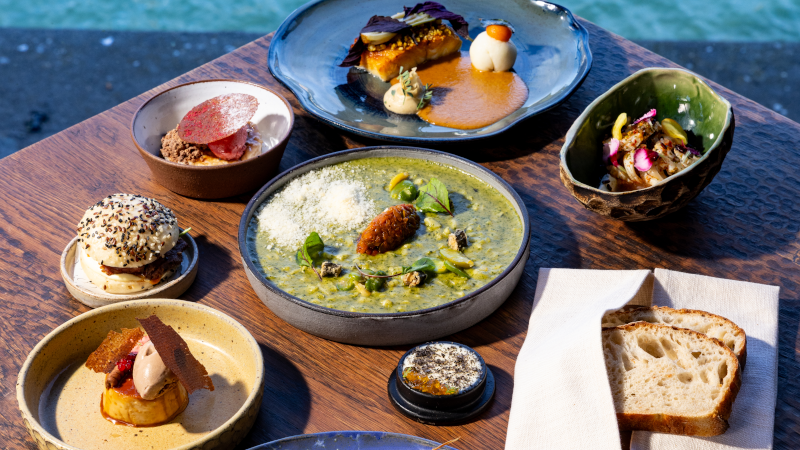

As Cape Town moves into summer, Coy is changing pace. The V&A Waterfront restaurant has introduced its new summer menu, with a lighter, more seafood-led approach across both the seven-course Coy Experience and the more relaxed Coy Edit. But the shift is about more than simply swapping heavier dishes for lighter ones. Two years into the restaurant’s journey, the chefs are explore the ingredients, flavours and cooking traditions of the African continent with even more confidence.
The new menu sees Coy lean more decisively into the ocean. Since opening, the restaurant has described its food as an ocean-inspired, seafood-led exploration of Africa and its shorelines. This summer, fish and seafood move even further to the foreground, with the Experience placing greater emphasis on seafood and fewer of the richer, heavier dishes that naturally suit Cape Town’s winter months.
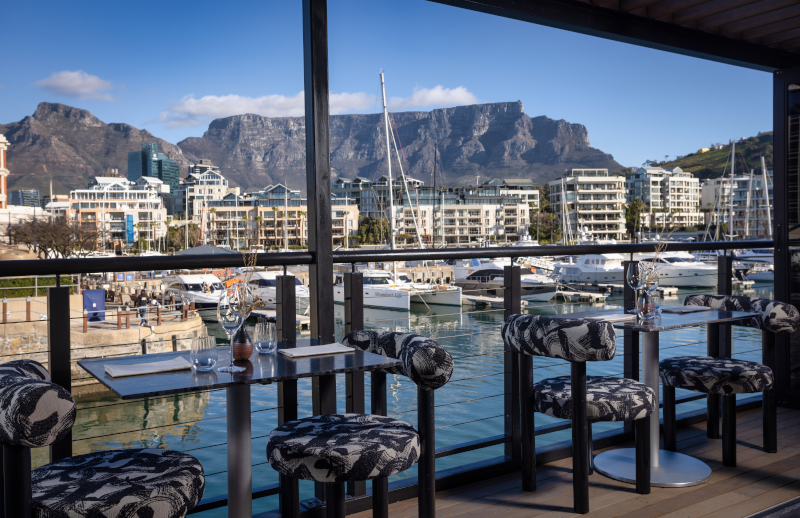
At the same time, the geographical lens is widening. Where recent menus explored flavours and ingredients associated particularly with East Africa, Coy is now looking increasingly towards West Africa, including Ghana and Nigeria. The widening of the culinary scope is an exciting one to witness, especially for a food lover like me who has been a frequent visitor over the years.
The journey starts close to home
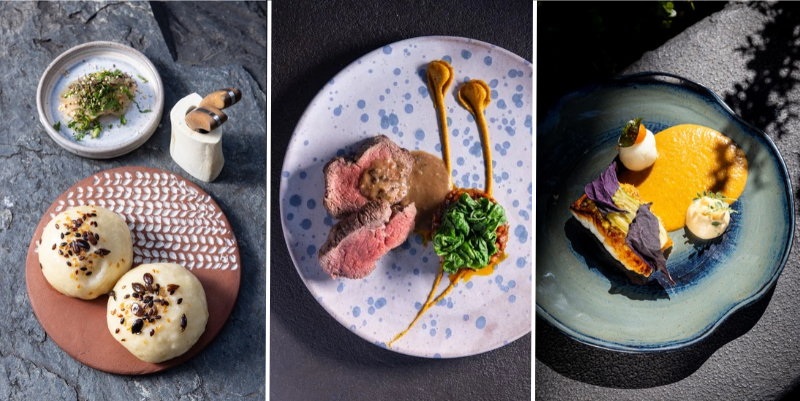
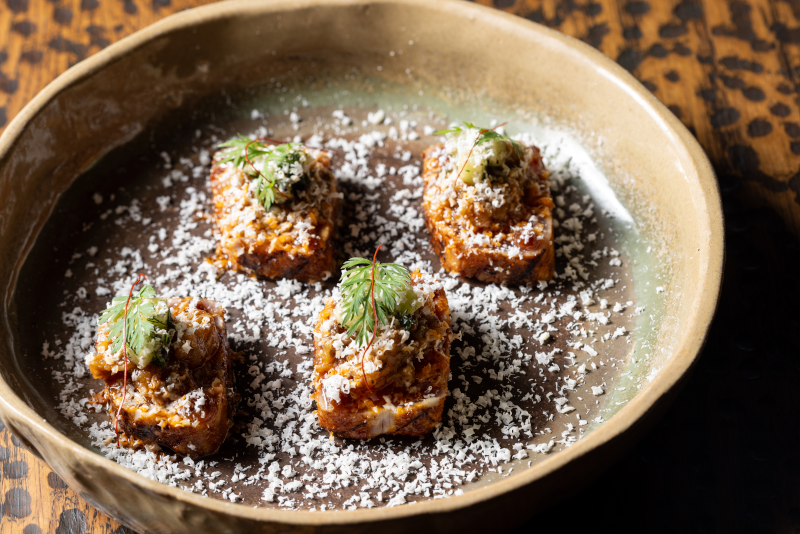
But, this greater exploration of African flavours doesn’t mean the team has forgotten about local flavours. The culinary journey starts with a bite closer to home. The opening iDombolo snack pairs classic South African steamed bread with chargrilled beef, fermented tomato relish, smoked Stanford Catalan and Coy’s own homemade blatjang — a playful nod to the familiar flavours of a braai broodjie.
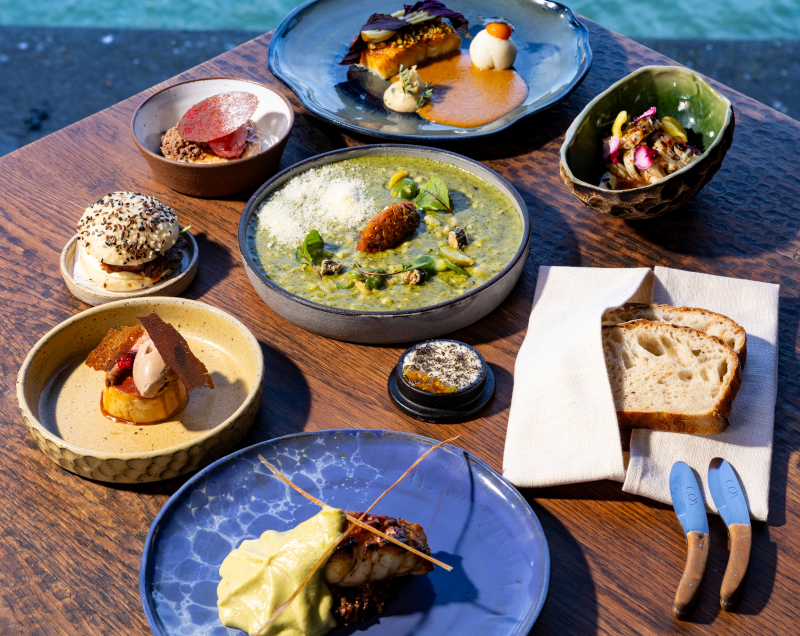
It brings me great delight when menus introduce elevated takes on homey classics like a braai broodjie. In practice serving this type of dish is riskier than you might think. There’s so much room for error and interpretation and very often the idea doesn’t land. But this little starter is a stellar example of a well executed concept. Pairing the iDombolo with homemade blatjang ties the dish together in a way that makes your little South African heart sing.
For bread lovers, the excitement doesn’t end there. The starter bite is followed by a bread course in the form of a 48-hour fermented amadumbe sourdough, now served by the slice with house-made kefir butter, black onion salt and smoked fish-bone jellies. The carcass from the fish used in the following course is smoked and repurposed for the jellies, which recall another familiar South African combination: fish paste and butter on bread. If you thought the first bite had me excited, this bread course left me teary eyed and longing for my childhood. I hadn’t even made it past the first course and I was already an emotional wreck.
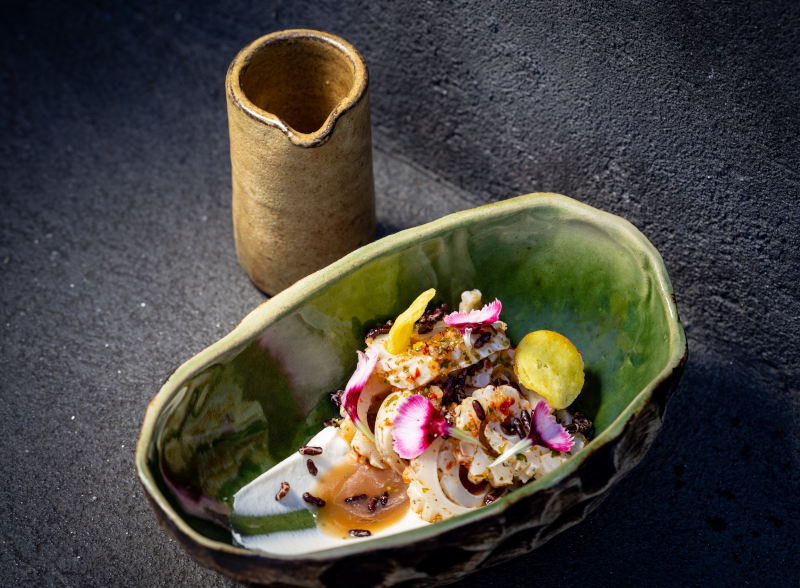
From here the menu moves towards the ocean. I pulled myself together just in time to catch a ride up the coat. East Coast squid from Cape St Francis is charred but served cold — something of a leap of faith for the kitchen — with KZN sugarcane and citrus dressing and smoked ayib. Fresh and bright, the dish brings together two ingredients from South Africa’s east coast while setting the tone for the lighter progression that follows.
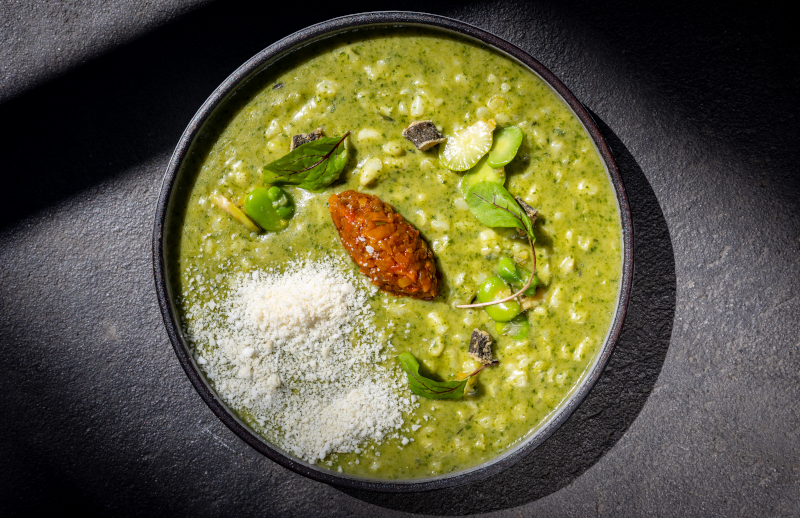
A hot starter of grilled linefish looks further north. Merguez sausage, made specifically for Coy by Richard Bosman, is rendered down to form the base of a chutney inspired by the flavours of North Africa. Spring peas bring the season back into focus, appearing as a light foam alongside a barley wafer.
Then the menu heads west
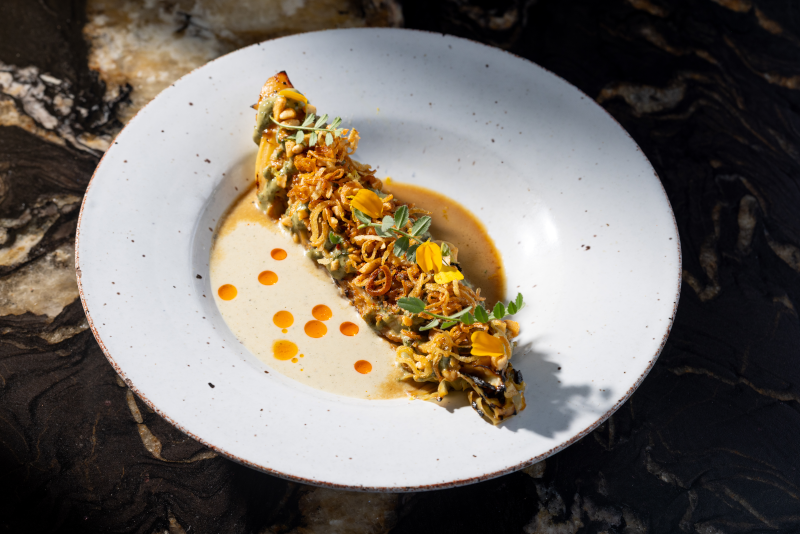
The main course of maize-crusted kingklip with Banga bisque, crispy okra and creamy pap takes its inspiration from Banga, the aromatic and flavourful soup eaten in West Africa. At Coy, that reference is reworked into a bisque-style sauce — without shellfish — to accompany the kingklip.
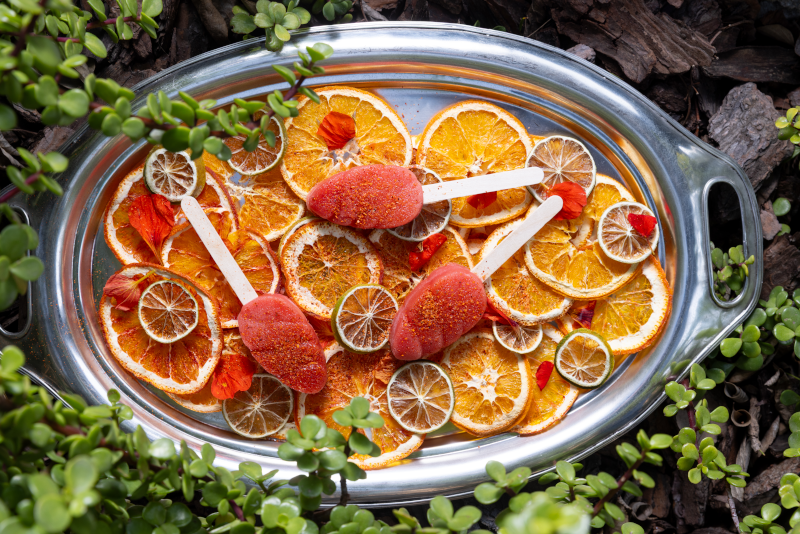
The journey continues into the final courses with a Senegalese bay leaf sombi, before the petit fours and cocktail pairing draws inspiration from Ghana. A blood orange and Inzalo agave lolly is accompanied by Coy’s homemade amasi and a blood orange and hibiscus fizz. The latter takes its cue from sobolo, the Ghanaian hibiscus drink, reimagined as a naturally carbonated blood orange and hibiscus kefir drink.
What emerges is a menu increasingly comfortable moving between South African memory and a much broader African culinary landscape — without attempting to recreate traditional dishes wholesale.
Greater experimentation means more captivating bites
“We were quite careful in our first year,” explains co-head chef Geoffrey Abrahams. “As we’ve learnt more, met more people and found new ingredients, we’ve become more comfortable exploring further. This menu feels like an evolution of that. We’re looking at different parts of the continent, but we’re also doing more ourselves in the kitchen and understanding those ingredients in a deeper way.”
That growing confidence is evident not only in where the chefs are looking for inspiration, but in what is happening inside the Coy kitchen.
The team is making more elements in-house, including its own amasi, while ingredients are being sourced specifically from Ghana and Nigeria for the new menu. It marks an evolution in the way Coy engages with the continent: ingredients are not simply references or finishing touches but increasingly become the starting point for how dishes are developed.
It is an approach that reflects Coy’s original ambition: not to recreate traditional African dishes, but to explore the ingredients, techniques and culinary histories of the continent through the restaurant’s own cooking.
Leave room for dessert
But, according to the team, there is another piece of thinking behind the summer menu — and it has less to do with geography than appetite.
For co-head chefs Teenola Govender and Geoffrey Abrahams, summer presented a practical question: how do you create a generous dining experience without guests reaching the final courses feeling they have had quite enough?
“We realised that people were getting very full towards the end of the Experience,” says Teenola. “They loved the food, but sometimes they simply didn’t have space left to properly enjoy dessert or cheese. We don’t want to solve that by making portions tiny. We want every course to feel generous, but for guests to have the time and appetite to enjoy the whole journey.”
The answer has been to reconsider the rhythm of the menu. The greater emphasis on seafood and fresher dishes allows the Experience to feel lighter without feeling less substantial — leaving guests with both the appetite and attention to enjoy those final courses.

“We don’t want to give people so much that they become overwhelmed and stop remembering what they ate,” says Teenola. “We want each course to have its moment and for guests to finish it properly. It’s about finding that balance, you shouldn’t leave hungry, but you should still want what comes next.”
Flexible dinning with the Coy Edit
The same thinking extends to the Coy Edit, the restaurant’s flexible, shareable menu available at both lunch and dinner.
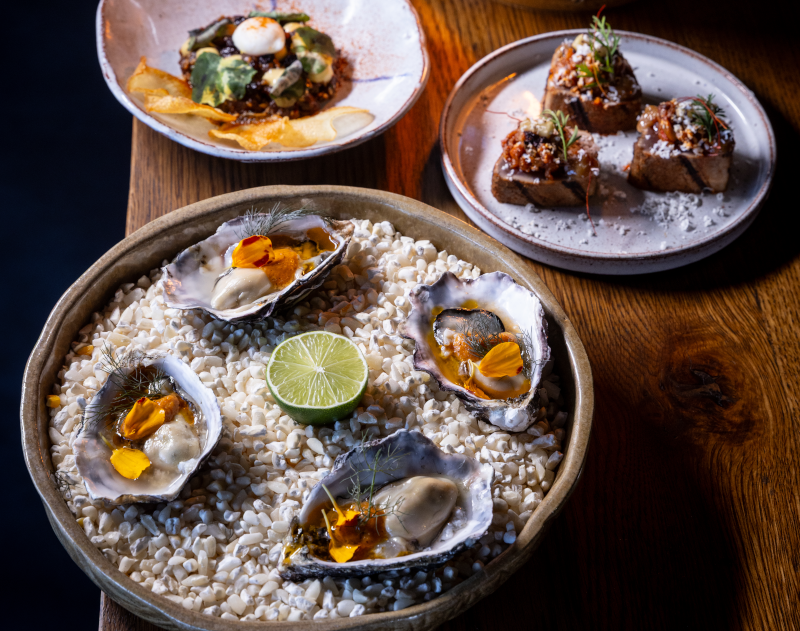
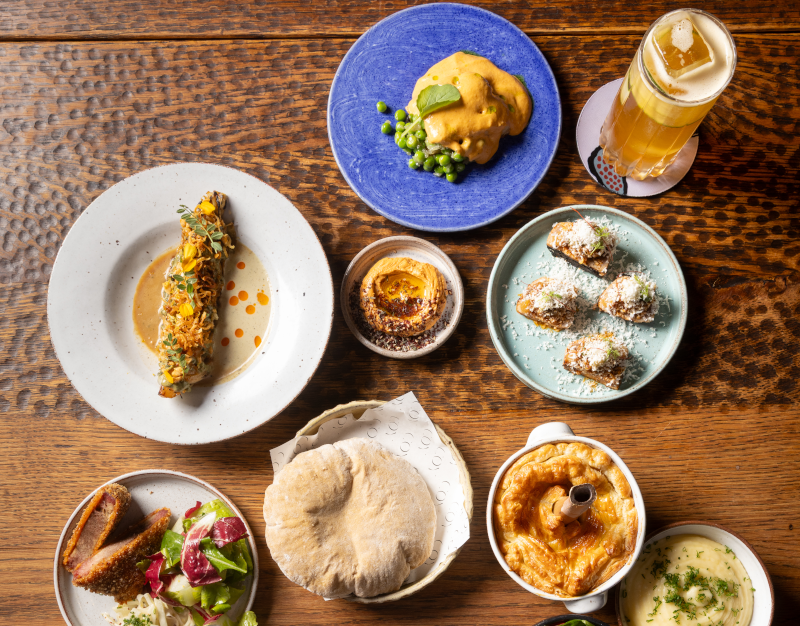
Introduced as a more accessible way to experience Coy, the Edit changes with the season too. For summer, richness gives way to simpler, fresher plates better suited to warm afternoons and long Cape Town evenings. Guests can still build their own meal and find their own rhythm, but the summer Edit takes its cues from the same lighter thinking as the Experience.
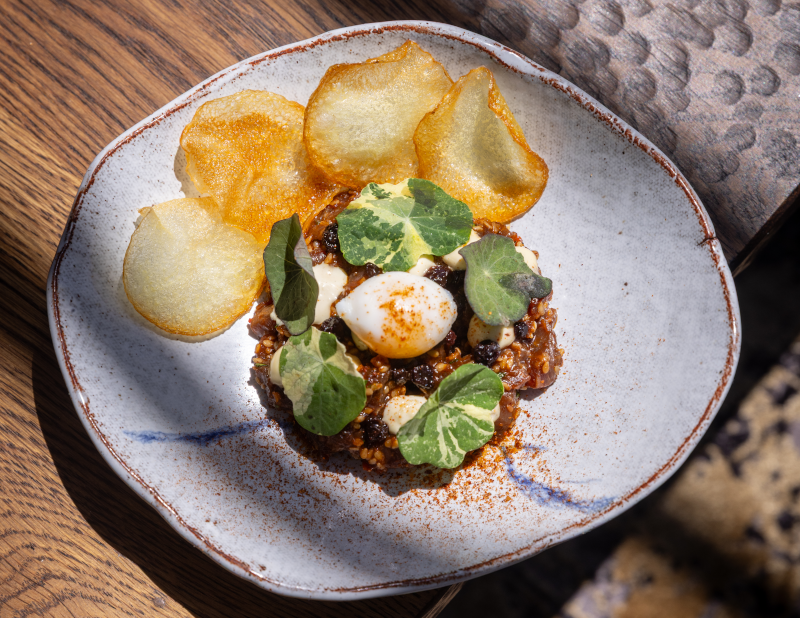
It is a seemingly simple adjustment that says something larger about where Coy finds itself today. The dishes available on The Edit menu can easily be mixed and matched to create a light meal or a heartier experience for those meals where one drink leads to another and before you know it you’re ordering another round of snacks.
Speaking of drinks, the Coy cocktail menu has also grown in leaps and bounds. I’ve always loved the cocktail selection at Coy but this new round of offerings is truly spectacular. So much care and thought has gone into the cocktail menu, with both non-alcoholic cocktails and boozy concoctions being whipped up with a nod to South African favourites.
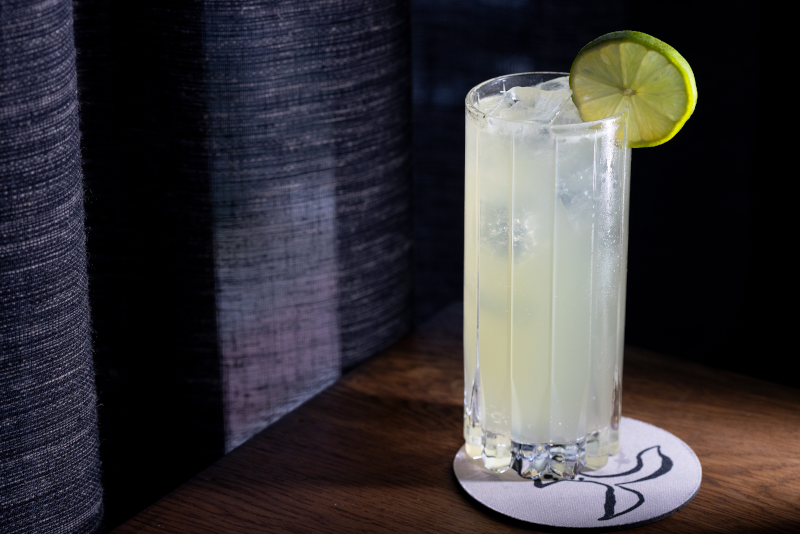
For something fresh, try the Sahara Storm — Avion Reposado, ginger beer and lime. The menu also offers new takes on classics, like the Vanilla Negroni — Inverroche Classic or Amber, brown butter and vanilla — or the Whisky Sour — Glenlivet 12 year old, orange blossom, egg white and lime. I loved the ‘Cane & Cream Soda’ — Absolut Vanilla, sugar cane and lime — which offers a nod to a classic South African mixed drink often enjoyed at braais.
The lighter side of life at Coy
Two years in, the restaurant is no longer simply defining what it wants to be. Its chefs are refining how they want people to experience it. The dishes explore further across the continent, working more deeply with the ingredients they discover, and allowing the menu to evolve with both the seasons and the people eating it.
This summer, that means a little more fish, a little less weight, a journey further west, and enough room to enjoy the very last bite.
The Coy Experience and Coy Edit are available for lunch and dinner, Monday to Sunday.
Visit the Coy website to make your reservation.
Images: Supplied, Jan Ras Photography.


You must be logged in to post a comment.