





How and Why to Explore the Great African Seaforests

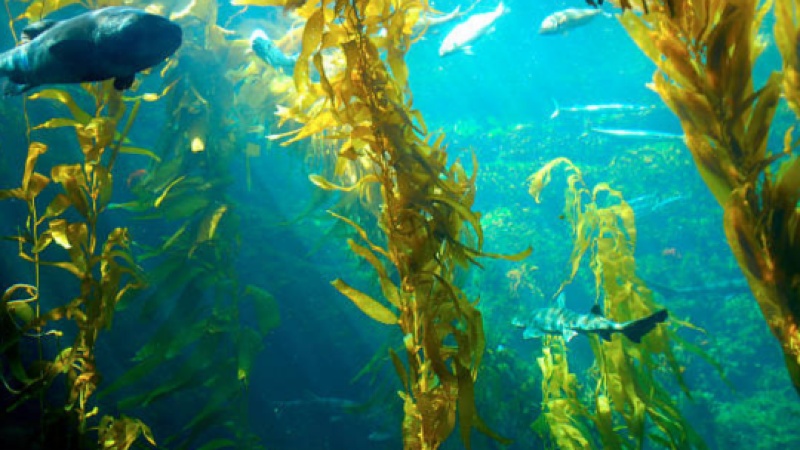

Beneath the ocean’s surface, just a few metres offshore, you’ll find the great African seaforests swaying in the filtered light. These underwater jungles, formed by towering strands of golden-brown kelp, create entire ecosystems that rival coral reefs in their complexity — and they’re very much worth your attention.
Guided seaforest snorkelling experiences are one of the easiest and most immersive ways to witness this world up close, offering an intimate glimpse into an environment where life thrives in layered harmony.
The Living Architecture of the Sea
The kelp forest in Cape Town is built by giant kelp, an extraordinary seaweed capable of growing up to half a meter a day under the right conditions. Each frond rises from the ocean floor toward the sunlight above, creating a cathedral-like canopy that shelters countless species.
When you drift through one on a guided snorkel, it feels surreal, the water alive with shafts of light, the kelp bending and breathing with the tide.
These forests are a living infrastructure, stabilising coastlines, improving water quality and absorbing carbon. Beneath their canopies, smaller seaweeds, fish, crustaceans and molluscs find refuge.
Within the kelp forests, you can be treated to schools of fish glinting like quicksilver, and maybe, if you’re lucky, an octopus or shyshark are often known to make cameos in these areas.
The Role of Your Guide
While you can swim over a reef yourself, guided seaforest snorkelling through the kelp forest in Cape Town goes further – simply put, it teaches you to see things you otherwise wouldn’t. Experienced guides are able to point out how abalone tuck themselves beneath rocks or how kelp crabs cling to fronds, adapting to the sway.
They interpret subtle signs: a feathered sea hare gliding silently, or a brittle star curled in the holdfasts. The result is a meditative journey through one of Earth’s most productive ecosystems.
Guides also help ensure minimal disturbance. Kelp forests are sensitive to temperature changes, pollution and overharvesting, so responsible exploration means moving slowly, avoiding contact with marine life and using reef-safe sunscreen.
Apex Shark Expeditions Great African Seaforest tours include short briefings on the animals you are most likely to encounter, and ocean stewardship, which help visitors to understand how small actions (like reducing plastic use or supporting marine conservation projects) feed into larger ecological change.


Why It Matters
Experiencing a kelp forest firsthand redefines what we think of as wilderness. These ecosystems exist just offshore from cities like Cape Town, but they remain worlds apart. Stepping into them feels like entering a parallel realm where time moves differently, where the ocean reveals its own form of renewal.
Kelp forests are essential carbon sinks and nurseries for countless species, including many that support local fisheries. Protecting them protects coastal biodiversity, livelihoods, and the health of the planet itself.
Guided snorkelling experiences connect people to that truth, not through lectures or data, but through the visceral experience of being surrounded by life.
Emerging from the water, it’s hard not to feel changed. What will stay with you is the sense that these underwater forests are something we are very fortunate to experience.