




Chefs Foodhall Opens at Cape Town’s Cavendish Square


The long-awaited Chefs dining hall finally opened its doors in Cape Town last week, introducing South Africa to the foodhall trend that has swept the US and Europe. The 2,000-square-metre food emporium seats 400 people in a dining environment intended to emulate a town square.
The Chefs foodhall in Claremont is the first of what MD Campbell Stevenson hopes will be a countrywide chain. But, for now, those in the southern suburbs of Cape Town are able to be the first to try the dishes created by culinary director, and award-winning chef, George Jardine.
Located in the space that was once the Edgars store in Cavendish Connect, Chefs offers hungry customers a wide range of cuisines, along with a bar area and pâtisserie.
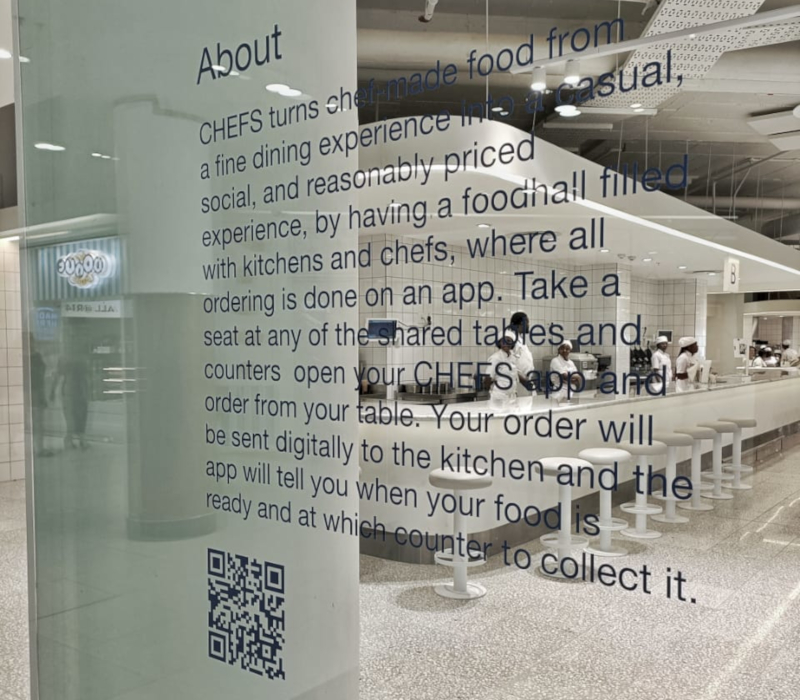
The Chefs app is at the heart of operations, and Stevenson says the food hall’s sophisticated technology and economies of scale will help to keep prices affordable. Ordering is easy, and the Chefs app operates a lot like Uber: simply sign up, input your cheque or credit card details, and you’re good to go. You can download the app using a QR code printed on coasters found at the various kitchens, or find it on your app store.
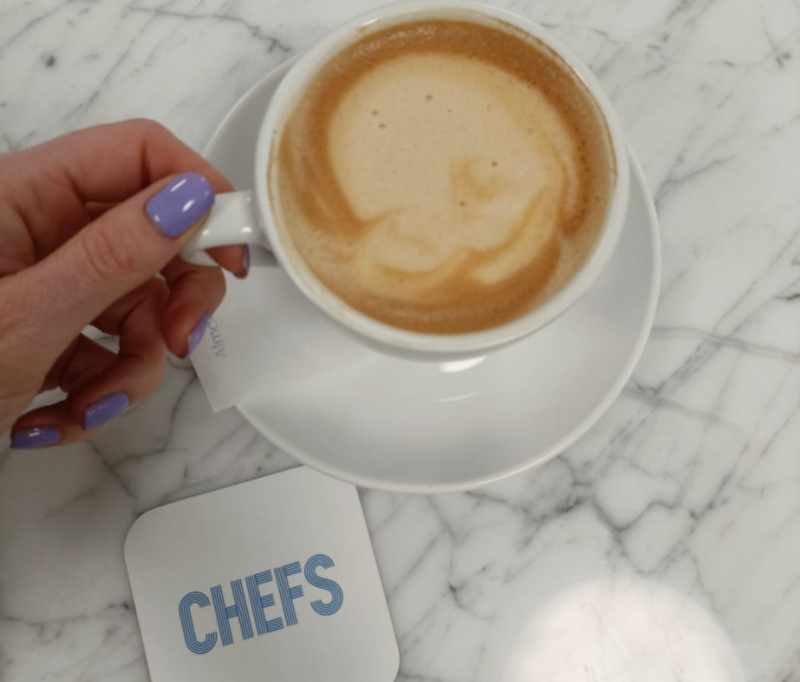
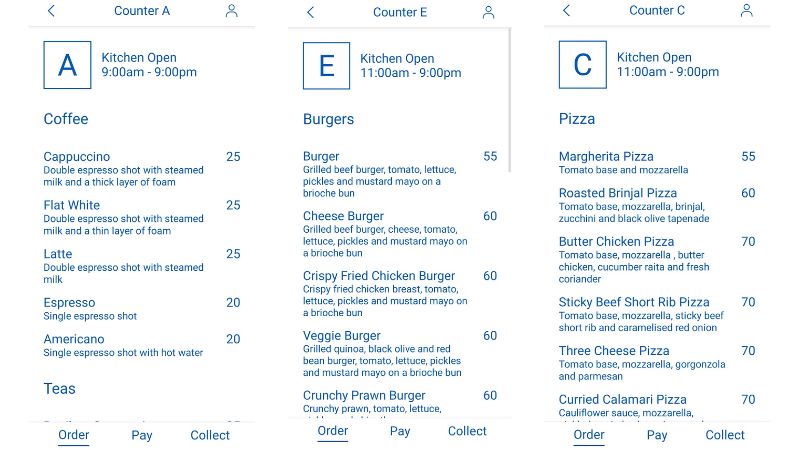
Descriptions on the app show what you can expect from each dish, with prices being very reasonable. There’s a kitchen serving pasta dishes like Seafood Linguine (with mussels and prawns in a smoked mussel velouté) at R65. A chicken kitchen serving 3 grilled Apricot & Soy Glazed Chicken Wings at R55, and a Burger and Dogs kitchen serving dishes like a Cheese Burger at R60. For dessert, there’s a Waffle Sandwich at R25 or Chocolate Mint Gelato at R20. A coffee will set you back R25 for a Cappuccino or a Flat White.
The décor inside the eatery is minimalist, and space abounds. Greeters at the doors guide customers through the Chefs concept and help them to download the app and start the ordering process. Sixteen internet points are fitted in the ceilings to further help customers order without a hitch.
Eleven kitchens-cum-serving stations line the walls of the foodhall, each fitted with screens that display orders arriving from customers’ smartphones. Diners can choose to eat at these counters and grab a barstool, take a seat at one of the 14-seater tables in the middle of the foodhall, or enjoy their meal as a takeaway.
The food hall is open from 09:00 – 22:00, seven days a week, but not all the kitchens are open from opening to closing.
Exploring the foodhall concept
The innovative foodhall aims to revive the concept of the town square eating place, in line with emerging dining trends in Asia, North America, Europe and other markets.
Stevenson believes the foodhall, a centuries-old format, is poised for a remarkable comeback, albeit with a modern twist. He explains the business model is already proving its worth across the world’s food capitals with models like Time Out’s shared space for independent chefs in Lisbon which opened in 2014.
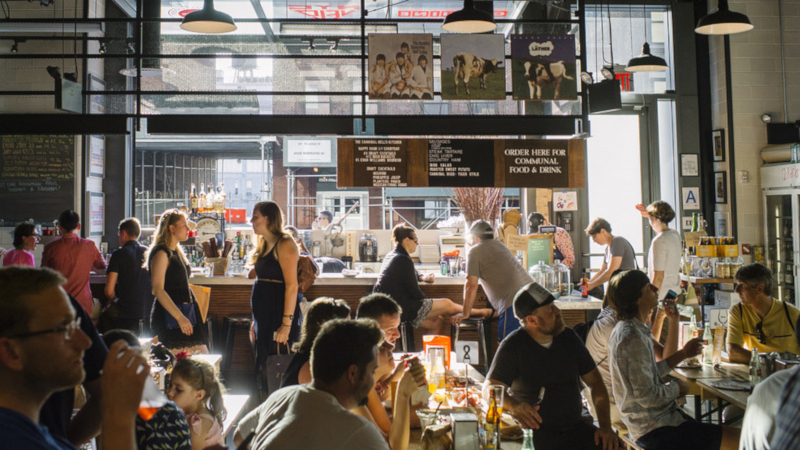
The US is also proving to be fertile ground for the foodhall business. Real estate services group Cushman & Wakefield counted 223 operational foodhalls in the country going into the pandemic, with another 165 in development. Going forward much of the independent restaurant community will need a rebuilding mechanism – particularly one that taps into the desire to socialise again, Cushman & Wakefield says. “One with lower inherent risks for all, a better operational model that allows for higher profit margins, and low barrier-to-entry. Foodhalls will be where the industry rebuilds first.”
Now, the trend has arrived in South Africa with the opening of Chefs Foodhall in Cape Town’s southern suburbs. Chefs has opted for an owner-operated business model, which has higher barriers to entry, as the initial capital outlay is far greater than the smaller franchised restaurant operators and multi-vendor traditional foodhalls. However, this approach allows scale for cost and operational efficiency.
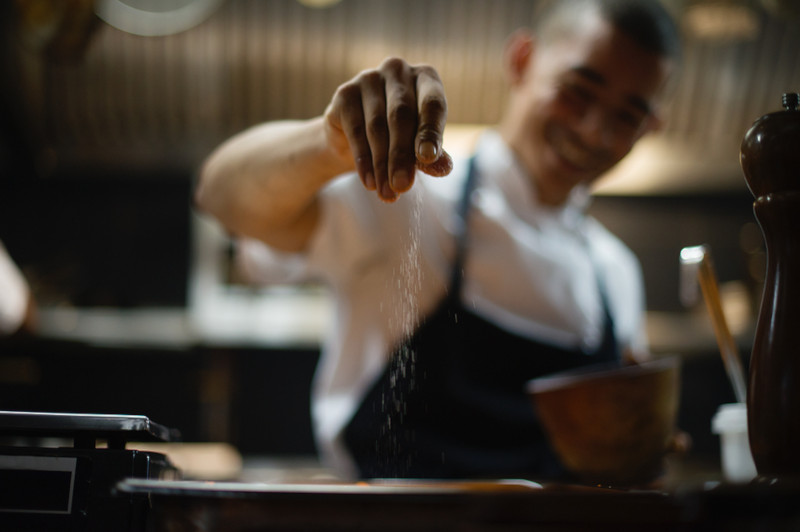


Stevenson explains; by centralising resources – including storage and refrigeration space, the food preparation area, fittings, equipment, and supply chains – the start-up and operating costs per kitchen in the foodhall will be significantly lower than for a standalone restaurant. “We will further enhance efficiencies by sourcing products from local suppliers. This reduces the need for costly cold chain storage and logistics solutions and shields the marketplace from ongoing global supply chain disruptions.”
Award-winning restaurateur George Jardine, who has taken on the role of Culinary Director of the group and Executive Chef of the Cavendish operation, is leveraging his long-standing supplier relationships to maximise local produce.
Technology at the forefront
Naturally, the modern foodhall will make use of technology to optimse the experience for customers. Visitors to the foodhall are able to order and pay via the Chefs dedicated app, which will reduce queueing times.

All in all, Stevenson says the scale of the operation will allow Chefs to provide quality and unique food – at affordable prices. “This, we believe, is the model of the future,” says Stevenson. “We believe that market-style eating is the restaurant of the future. We will offer high quality yet affordable cuisine from a central space where local communities can gather and share experiences over great food.”
For more information and updates, visit the Chefs Facebook page.